
 Sloane R.
Understanding the difference between Roku TV and Google TV has become more important as smart TVs continue to evolve into full entertainment hubs. Both platforms are widely used across different brands and price ranges, but they take very different approaches to streaming, navigation, and content discovery. Recent tech reviews and buyer feedback consistently point out that the decision is now less about hardware and more about software experience.
Interest in the difference between Roku TV and Google TV has also increased as streaming habits change. Instead of simply checking picture quality or screen size, many users now focus on interface design, recommendation systems, and how easily content can be found. This guide breaks everything down in a clear, simple way to help you make sense of both platforms without technical confusion.
What Is Roku TV And How Does It Work
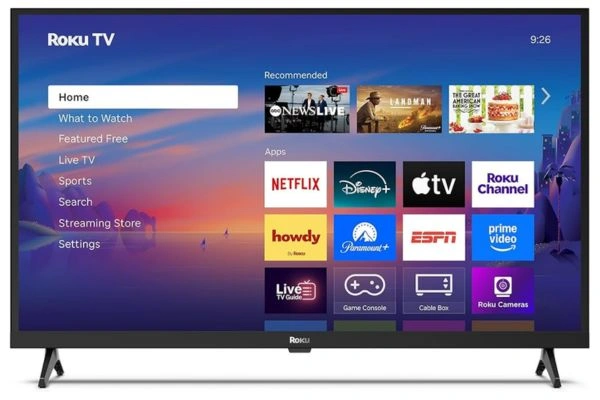
Roku TV is a smart TV platform designed around simplicity, speed, and accessibility. It organizes streaming apps into a clean grid layout that feels familiar and easy to navigate. Most users appreciate the very low learning curve, making it straightforward to start watching content right away.
Recent reviews from tech publications highlight that Roku continues to focus on lightweight system performance. Even entry-level televisions run smoothly because the software is optimized to minimize heavy processing. This makes it a strong choice for budget-friendly TVs while still supporting all major streaming platforms.
Another reason for its popularity is how predictable the interface feels. Unlike more dynamic systems, Roku TV does not frequently change layouts or redesign its home screen. This stability helps users feel comfortable, especially those who prefer consistency over constant updates.
Key Features Of Roku TV
- Simple home screen with app-based layout
- Fast performance on most smart TVs
- Wide support for major streaming apps
- Built-in Roku Channel for free content
- Easy navigation with minimal setup
These features make Roku TV ideal for users who want a straightforward streaming experience. It prioritizes access over complexity, which is why it continues to perform well in budget and mid-range television markets.
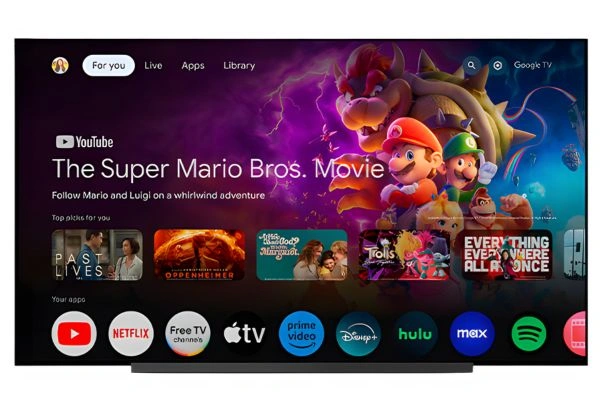
Google TV is a more modern, content-focused platform built on Android TV. Instead of organizing everything around apps, it brings movies and shows from different services into one unified home screen. This creates a browsing experience that feels more like a tailored entertainment feed.
Recent updates in the smart TV space show that Google TV is becoming more deeply connected with Google’s ecosystem. Services like YouTube, Google Assistant, and even smart home devices all integrate more seamlessly. This allows users to search, control, and discover content using voice commands and personalized recommendations.
Unlike simpler interfaces, Google TV continuously learns viewing habits. Over time, it suggests content based on watch history across multiple apps, which makes discovery more dynamic. This approach is especially appealing to users who enjoy exploring new shows rather than sticking to fixed apps.
Key Features Of Google TV
- Personalized content recommendations across apps
- Strong integration with Google Assistant
- Unified watchlist across multiple streaming services
- Voice search with natural language support
- Smart home compatibility through the Google ecosystem
Google TV is often described as more interactive and intelligent. It focuses on helping users decide what to watch rather than just opening apps, creating a more guided entertainment experience.
Difference Between Roku TV And Google TV In User Experience
The difference between Roku TV and Google TV becomes most obvious in everyday use. Roku TV feels direct, simple, and predictable, while Google TV feels more personalized and dynamic. Both systems are designed to make streaming easy, but they approach that goal in very different ways.
Recent user feedback indicates that Roku TV is often preferred by those seeking fast, distraction-free access. Google TV, on the other hand, appeals to users who enjoy discovery features and curated recommendations. This difference in philosophy plays a major role in overall satisfaction.
Interface Style Comparison
Roku TV uses a grid layout, with apps displayed in rows and columns. Everything is fixed in place, making it easy to quickly locate favorite streaming platforms. This structure is especially helpful for users who already know what they want to watch.
Google TV organizes content into categories and recommendation rows that adapt to viewing habits. Instead of focusing on apps, it highlights shows and movies from different services. This makes the interface feel more alive but slightly more complex to navigate.
Content Discovery And Recommendations
Content discovery is where the difference between Roku TV and Google TV becomes most noticeable. Google TV is built around recommendation engines that pull content from multiple streaming platforms into a single feed. It creates a unified watch experience, making it easy for users to discover new shows.
Roku TV takes a more traditional approach. It places apps at the center of the experience and allows users to browse content within each app separately. While it does offer recommendations, they are less personalized and less prominent.
Discovery Experience Breakdown
- Roku TV: App-first browsing with simple suggestions
- Google TV: Content-first browsing with strong personalization
- Roku TV: Limited cross-platform recommendations
- Google TV: Deep integration across multiple streaming services
Recent viewing trends show that users are divided on this feature. Some prefer control and simplicity, while others enjoy curated suggestions that reduce decision fatigue.
App Support And Streaming Options
Both Roku TV and Google TV support nearly all major streaming services, including Netflix, Disney+, Amazon Prime Video, and YouTube. App availability is rarely an issue, as both platforms are widely supported across different TV brands.
Roku TV is known for its broad compatibility and for including the Roku Channel, which offers free movies and live TV. This adds value for users who want additional entertainment without extra subscriptions.
Google TV also supports a wide range of apps through the Google Play Store. However, its strength lies in combining content across apps rather than separating them. This creates a smoother and more cohesive viewing experience.
Popular Apps On Both Platforms
- Netflix
- Disney+
- Amazon Prime Video
- YouTube
- HBO Max (or regional equivalents)
Since both systems support these core apps, the decision usually comes down to interface preference rather than app availability.
Voice Control And Smart Features
Voice control is another major factor in the difference between Roku TV and Google TV. Google TV uses Google Assistant, which supports natural-language commands and deeper search functionality. It can also connect to smart home devices such as lights, speakers, and thermostats.
Roku TV also includes voice control, but it is more limited in scope. It is mainly used for searching shows, opening apps, or basic navigation commands. It does not integrate deeply into smart home systems.
Smart Feature Comparison
Google TV offers:
- Advanced voice search across apps
- Smart home integration
- Personalized recommendations
Roku TV offers:
- Basic voice search
- Simple navigation commands
- Quick app launching
This difference is especially important for users who already use Google products in their daily routines.
Performance And Device Compatibility
Performance is generally smooth on both platforms, but their hardware requirements differ slightly. Roku TV is optimized for efficiency, allowing it to run smoothly even on lower-cost televisions. This makes it ideal for budget-conscious buyers.
Google TV requires more processing power due to its advanced interface and recommendation engine. On modern TVs, it performs very well, but on older devices, it may feel slightly slower than on Roku TVs.
Recent reviews suggest that the performance gap has narrowed as TV hardware improves. However, Roku TV still holds an advantage in lightweight responsiveness.
Pricing And Accessibility
Pricing differences between Roku TV and Google TV are usually tied to television brands rather than the platforms themselves. Both systems are available across a wide range of manufacturers, including TCL, Hisense, Sony, and Philips.
Roku TV is commonly found in more affordable models, making it accessible to a wider audience. Google TV is more commonly found on mid-range and premium TVs, where additional processing power is available.
Pricing Overview
- Roku TV: Budget to mid-range focus
- Google TV: Mid-range to premium focus
- Both: Widely available across global TV brands
This distribution reflects each platform’s position in the smart TV market.
Which One Is Better For Everyday Viewing
Choosing between the two depends heavily on viewing habits. Roku TV is better suited for users who prefer a simple, no-frills experience. It is fast, stable, and easy to navigate without distractions.
Google TV works better for users who enjoy discovering new content and prefer personalized recommendations. It is especially useful for households that regularly use multiple streaming services.
Simple Breakdown
- Choose Roku TV for simplicity and speed
- Choose Google TV for discovery and personalization
Both platforms are strong choices, but they serve different viewing styles.
Frequently Asked Questions
- What Are The Most Famous Castles In Europe To Visit First?
Neuschwanstein Castle, Versailles, Windsor Castle, and Prague Castle are often recommended first for their accessibility and historical significance.
- How Many Castles Should Be Included In A Trip?
A balanced itinerary usually includes 3 to 5 castles per region to avoid fatigue and allow deeper exploration.
- Are European Castles Expensive To Visit?
Prices vary by country and castle, but many offer discounted passes or combination tickets.
- What Is The Best Time To Visit Castles In Europe?
Spring and early autumn are ideal due to mild weather and lower crowd levels.
- Do Castles In Europe Require Advance Booking?
Many popular castles now require timed-entry tickets, especially during peak travel seasons.
Final Thoughts On Roku TV And Google TV
The difference between Roku TV and Google TV ultimately comes down to user preference and viewing style. One platform focuses on simplicity and quick access, while the other emphasizes smart recommendations and deeper integration.
As streaming continues to evolve, both Roku TV and Google TV are expected to improve further. The best choice depends less on technical specs and more on how entertainment is experienced day to day.