
 Sloane Rafferty
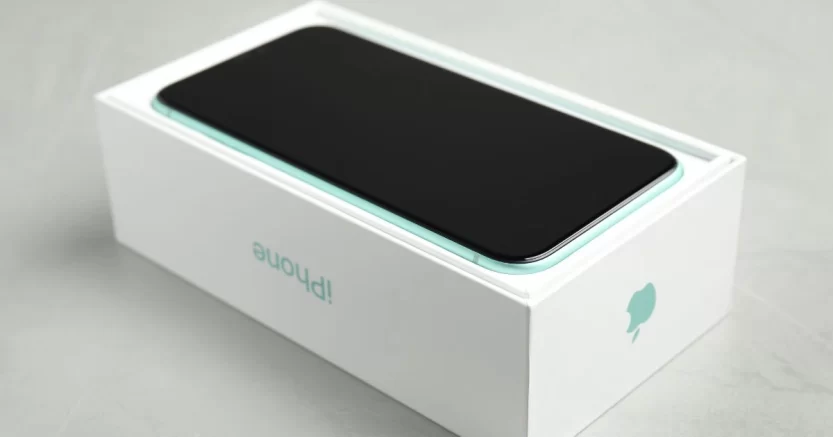
Analysts and industry sources are already discussing what Apple might charge for its next flagship handsets, the iPhone 18 Pro and the iPhone 18 Pro Max, expected to launch in fall 2026. Even though production costs for memory, chips, and display panels have risen, several reports suggest that pricing may not go up as much as many consumers feared. These rumors are shaping expectations for the devices long before Apple’s usual announcement season in September.
Industry experts pay close attention to component price trends, supplier contracts, and Apple’s production plans. The smartphone market has seen component price increases in recent years, especially for DRAM memory and advanced display modules. Despite these upward trends, Apple is reportedly trying to limit the impact of these costs on retail prices by negotiating with key suppliers and spreading expenses across other product lines.
Keeping prices stable would be a notable move, since many flagship devices from competitors have increased their prices year after year. If rumors hold, Apple’s decision could help keep consumer interest strong as new iPhone models roll out later this year.
When The iPhone 18 Pro Series May Arrive
The iPhone 18 Pro and iPhone 18 Pro Max are widely expected to be unveiled in September 2026, following Apple’s long‑standing schedule for flagship iPhone releases. Apple has used September as its key month for hardware announcements for more than a decade. This timing allows the company to refresh its lineup for holiday sales and set the stage for its next year of product updates.
This year’s launch may have something extra in store. Several industry reports suggest Apple could also reveal a foldable iPhone model alongside the Pro devices. That would mark Apple’s first entry into the foldable smartphone market, a segment that has been gaining attention thanks to competitors such as Samsung and Google. A foldable iPhone could widen Apple’s product range and give consumers new choices within the Apple ecosystem.
In addition to buzz around new device types, there are also hints that Apple could revise its usual release calendar. A few sources say the standard iPhone 18 and other base models may not arrive at the same time as the Pro versions. Instead, they might launch in early 2027, months after the Pro devices. If this shift happens, it could reflect Apple’s effort to manage inventory and highlight its higher‑end phones first.
Whether these calendar changes occur remains uncertain. Apple has not confirmed any details. Still, the idea of a staggered release adds extra anticipation around this year’s product cycle.
Expected Starting Prices Based On Industry Sources
One of the most talked‑about aspects of the new iPhone 18 Pro lineup is price. Several analysts have weighed in on how Apple might set costs for the new devices, especially with memory and chip components becoming more expensive in global markets.
According to research by GF Securities analyst Jeff Pu, Apple is aiming to keep the starting prices of the iPhone 18 Pro and iPhone 18 Pro Max the same or very close to the prices of the iPhone 17 Pro and iPhone 17 Pro Max. That would mean a base price of about $1,099 for the iPhone 18 Pro and $1,199 for the iPhone 18 Pro Max in the United States for the 256GB models.
This approach suggests Apple is trying to avoid upward pressure on retail prices despite higher costs for components. Rather than passing the full price increase to consumers, Apple is reportedly working with memory and display suppliers to secure more favorable pricing. These negotiations might allow Apple to maintain stable retail prices.
Keeping prices close to the prior generation could help reduce hesitation among buyers who might otherwise delay upgrading due to cost increases. It also signals that Apple may be confident in its supply chain and production planning even as overall technology costs grow.
Why Stable Pricing Matters To Buyers
For buyers, a price that stays close to the current iPhone 17 Pro series means Apple models could feel like a better value. Smartphone prices across the board have risen in recent years, with many flagship phones from brands like Samsung and Google asking for higher starting costs. For example, the latest Samsung Galaxy S lineup and Google Pixel Pro models have also increased in price in many markets, making any price restraint from Apple noteworthy in the broader smartphone landscape.
Stable pricing can make a difference in consumer decisions for several reasons:
- Perceived Value: When prices stay steady, devices feel like a smart investment, especially if the phone gains new features and performance upgrades.
- Upgrade Decisions: Many existing iPhone users hold off on upgrading if new models seem too expensive. Stable prices may encourage upgrades.
- Competition: In a market where competitors raise prices, stable pricing can make Apple’s premium devices more appealing by comparison.
For these reasons, rumors of Apple keeping price increases small or nonexistent could be good news for consumers who want the latest iPhone without a higher price tag.
What Could Still Change Before Release
While analyst forecasts and rumors provide early insight, it is important to remember that all pricing talk remains unofficial until Apple makes a formal announcement. Timelines, component costs, competitive moves, and global economic conditions can influence final retail prices.
One factor that could affect costs is Apple’s shift to a new generation of internal components, such as the rumored 2nm A20 chip. A more advanced chip could improve performance and efficiency, but it may also increase production costs. Some industry observers think this could lead to a slight price increase compared with previous generations.
Despite these pressures, Apple’s large scale and strong negotiating power might allow the company to absorb much of the expense. Apple’s long‑standing relationships with major suppliers give it leverage when negotiating pricing for memory, processors, and display components. As a result, Apple may be able to limit price increases for the finished product.
Nevertheless, until Apple announces official prices at its launch event, all figures remain speculative. Buyers should stay aware that final numbers could vary from current estimates.
How Rumored Prices Compare Worldwide
While rumors about U.S. starting prices remain fairly consistent, buyers in other countries can expect differences due to taxes, import duties, and local market conditions. Apple’s price tags vary by region, reflecting exchange rates, government charges, and competitive market dynamics.
For example, a phone that starts at $1,099 in the United States might carry a higher price in Europe once local taxes are added. Countries like the United Kingdom, India, or Australia typically see Apple devices priced significantly above the U.S. base price. In Europe, value‑added tax can add a substantial amount to the total cost. In India, import duties and tariffs contribute to even higher retail prices.

Understanding these regional disparities can help shoppers plan for purchasing when the phones become available. Travelers between countries sometimes find it cheaper to buy unlocked devices in the United States or in regions without heavy taxes, though this can depend on warranty and carrier compatibility.
For buyers in markets with higher pricing, carrier financing, trade‑in offers, and installment plans may help offset the cost.
How Pricing Fits Into Apple’s Broader 2026 Strategy
Apple’s rumored approach to keep prices similar to the iPhone 17 Pro series fits into a broader strategy of maintaining strong hardware sales while growing its services and ecosystem engagement. Apple’s services revenue, including the App Store, Apple Music, iCloud, and Apple TV, has become a key part of the company’s business. Stable hardware pricing could help protect Apple’s share of the smartphone market and support ongoing service subscriptions.
Several reports also suggest Apple may revise its release schedule to ease pressure on its global supply chain. Focusing on the Pro models in 2026 and delaying the standard iPhone 18 until early 2027 may help Apple manage inventory and meet demand for its higher‑end phones first.
Keeping prices steady may also encourage more customers to trade in older devices. Apple’s iPhone Upgrade Program and carrier trade‑in deals often make premium devices more affordable for users. When carriers promote deals that include trade‑in credits or service discounts, high‑end models like the Pro series become more accessible to a wider audience.
What Buyers Can Expect In Terms Of Features
While pricing takes center stage in rumors, the iPhone 18 Pro models are also expected to deliver meaningful improvements compared with their predecessors. If leaks and reports are accurate, both the iPhone 18 Pro and the iPhone 18 Pro Max may keep similar display sizes to the iPhone 17 series but add new technology and enhancements.
One feature under discussion is under‑screen Face ID. This biometric technology would allow the device to authenticate users without a visible notch or cutout at the top of the display. This change could make screens feel larger and less interrupted, giving users more immersive experiences.
The new devices may also include enhanced camera systems, possibly with variable aperture and improved sensors that perform better in low light. Photography and videography continue to be key areas where Apple pushes improvements, attracting professional and enthusiast users.
In addition to visual and camera upgrades, Apple’s next‑generation internal chip, often referred to as the A20 Pro chip, is expected to improve speed, graphics performance, and energy efficiency. This kind of upgrade typically means longer battery life and smoother performance in demanding apps and multitasking.
These hardware enhancements could strengthen the overall value of the new phones even if prices stay steady. Buyers who upgrade from older models may see significant improvements in daily performance, photography, and overall responsiveness.
Comparisons With Other Flagship Smartphone Pricing
Looking at pricing trends across the smartphone industry shows that Apple is not alone in managing high component costs. Many recent flagship phones from brands such as Samsung and Google have faced pressure from rising technology costs.
For example, Samsung’s latest Galaxy S series and its next-generation models have maintained high starting prices in most markets. Samsung has also introduced foldable models with premium price tags to reflect their advanced engineering. Google’s Pixel Pro models have similarly stayed in the high end of the market with price tags that reflect their camera capabilities and software value.
Apple’s strategy of stable pricing contrasts with some competitors that have raised prices to cover costs or to position devices as premium lifestyle electronics. This might make the iPhone 18 Pro series more attractive to buyers who are comparing flagship options and looking for value as well as performance.
Price Expectations For Other iPhone 18 Models
In addition to the Pro and Pro Max versions, Apple is expected to release other members of the iPhone 18 family. Reports suggest the standard iPhone 18 may not arrive until early 2027, with the Pro models and a first‑ever iPhone Fold appearing in 2026. A staggered release strategy would let Apple focus marketing and supply chain resources on its higher‑end models first.

The introduction of a foldable phone from Apple would put it in more direct competition with devices like the Samsung Galaxy Z Fold series. These premium foldable devices are known for their advanced screens, multitasking features, and high price tags. Apple’s entry into this category will attract attention not only for design and performance but also for how it is priced relative to competitors.
If Apple can offer a foldable iPhone at a competitive price with strong features, it could make the foldable segment more mainstream and draw interest from users who previously avoided the higher prices of existing foldable phones.
What Consumers Should Do Now
While official prices are still months away, early planning can help buyers make informed decisions. Exploring carrier deals, trade‑in offers, and financing plans can make premium phones more affordable. Many carriers offer promotions that reduce upfront costs when switching networks or trading in older devices.
Consumers should also watch for announcements from major retailers and carriers as the new iPhone launch nears. Pre‑order timing often follows closely after Apple’s official event, giving buyers a clear path to secure their devices.
Researching accessories such as protective cases, screen protectors, and wireless chargers ahead of time can also help buyers prepare for their new phones. Brands like Spigen, OtterBox, Belkin, and Nomad are known for quality iPhone accessories that pair well with flagship models.
Stay Informed Before Launch
The rumors surrounding the iPhone 18 Pro and iPhone 18 Pro Max prices point to strong value for buyers at a time when technology costs continue to rise worldwide. If Apple can keep entry prices close to the iPhone 17 Pro models while adding meaningful upgrades, it would help the new models stand out in a crowded flagship smartphone market.
Although nothing is confirmed until Apple’s official event, current indicators suggest that the iPhone 18 Pro series may deliver performance, new features, and stable pricing that keep it competitive with other premium devices. For consumers, this means the possibility of getting cutting‑edge technology without a major increase in price.
As always, waiting for the official announcement will provide complete pricing, specs, and release schedules. Until then, keeping an eye on reliable reports and analyst forecasts can help buyers prepare and compare their options carefully.